

Social media is now a key tool for companies. It helps them get seen, talk with people, find potential buyers, and build trust in their name. Still, having accounts and posting often does not guarantee good outcomes. A lot of teams put time into making posts but have no clear target for each one. They may not know who they are aiming at, what the message should do, or what counts as a win. Over time this often leads to irregular posting, low interaction, ads that do not perform well, and a social feed that looks busy but does not add much to the company’s goals.
A better plan can fix this. A strong approach ties each step to a reason. Instead of only asking, “What should we post today?”, teams can ask questions that guide the work. Who is the audience? What issue are we addressing? Which sites will actually reach them? What should the content help people do or understand? How do we track results over time? The Digital Marketing Institute’s current guidance links the main parts of a strategy. It points to planning, clear goals that can be measured, research on the audience and competitors, content and media planning, execution, and ongoing checks.
What Is a Social Media Strategy?
A social media strategy is a clear plan for how a business will use social platforms to support bigger marketing and business aims. It is not only a calendar of posts. It brings together audience research, goals, content, channels, paid efforts, community involvement, and measurement.
DMI also notes that a strategy should set direction for the long run. It should not just list tactics. Uploading a video, starting an ad, or posting a poll are tasks. A real strategy explains why those tasks matter and how they help meet a bigger objective.
A practical strategy should answer five basic questions:
- Who are we trying to reach?
- What do we want to achieve?
- Where does our audience spend time?
- What content will provide value?
- How will we measure results?
1. Start With Clear Business Goals
Start by figuring out what the business wants from social media. Some teams focus on brand awareness. Others want more visitors to the site. Some aim for leads that are more likely to convert. There are also companies that want more online sales, better repeat customers, faster community growth, or closer ties with existing customers.
After that, link the social goals to the bigger plan. If the business needs more leads, counting followers alone will not be enough. When the main focus is brand awareness, impressions and visibility might matter more than quick sales. DMI suggests setting clear aims and KPIs that you can measure, so success is not based on loose guesses.
2. Set SMART Social Media Objectives
When the main goals are clear, write them as tighter objectives. SMART goals are specific, measurable, realistic, relevant, and tied to a deadline. For instance, “increase engagement” is not detailed. A better option is something like raising the average engagement per post by a set percentage over a set time.
Your objectives could focus on:
- Increasing qualified website traffic.
- Generating leads.
- Improving engagement.
- Increasing product discovery.
- Growing relevant followers.
- Improving customer response times.
Clear objectives make your social media planning much easier because they influence which platforms, content formats, campaigns, and metrics deserve attention.
3. Research Your Target Audience
Good social posts begin with people, not with apps. Start by learning who your customers are. Find the issues they deal with, the things that push them to act, and what they watch or read online. Also note how they decide to buy. DMI suggests checking demographics, habits, interests, the channels they use, and how they react to content before you plan anything. You can also use social listening to see what people say about your brand and your space.
Try not to write for “everyone.” Make clear audience profiles instead. Look closely at their needs, the questions they ask, what frustrates them, what makes them hesitant, and what they want to get. This helps your social plan feel solid and real.
4. Pick the Best Social Media Platforms
A common error is to run every platform at once. Showing up everywhere can sound good, but small teams run out of time and the work slips. Choose the sites where your audience already hangs out. Pick also what your team can post on without burning out. DMI makes a similar point. Learn which channels your audience already uses, then focus your effort there.
Consider:
- Audience demographics.
- Content formats.
- Industry behavior.
- Available resources.
- Business objectives.
- Organic and paid opportunities.
Fewer well run platforms can beat many ignored accounts.
5: Lock in a clear content plan
Your social posts need a simple plan that covers what you will share, the reason behind it, and how it helps your goals. If you do not set this up, your feed can start to feel the same each week. It may also turn into nonstop pitching. Or it can drift away from what buyers actually ask for.
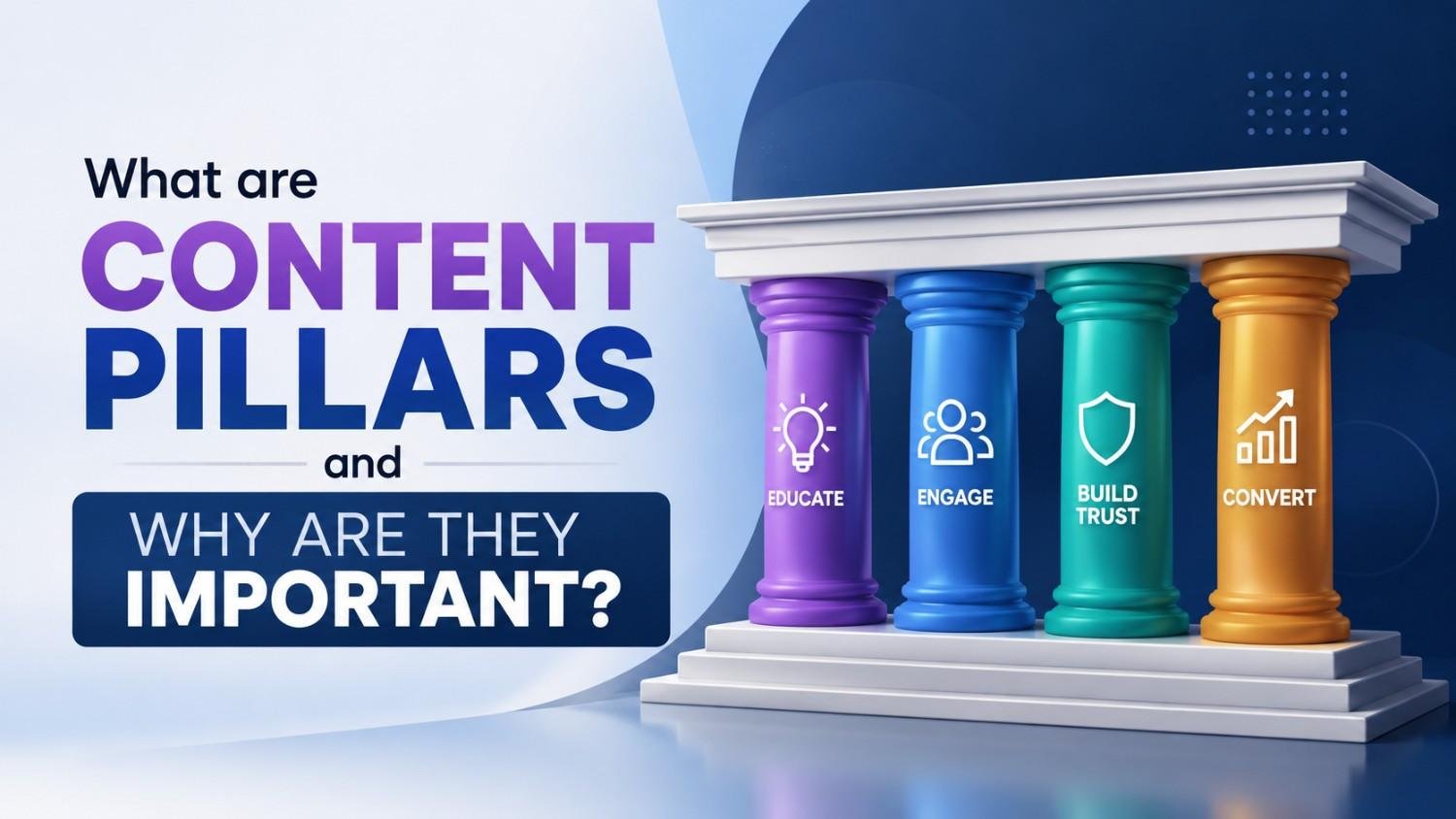
Pick a few main themes, often called content pillars. They should match what your audience cares about. For instance, a B2B tech firm might focus on how to guide, customer case studies, product walkthroughs, trends in the industry, and what happens inside the team.
A balanced content mix can include:
- Educational posts.
- Short-form videos.
- Customer stories.
- Product demonstrations.
- Industry commentary.
- Behind-the-scenes content.
- Questions and discussions.
The objective is not to make every post sell something. Content should build attention and trust before asking the audience to take action.
6. Create Platform-Specific Content
Posting the exact same copy on every channel can feel fast, but it is not always the best fit. Each platform has its own readers, norms, limits, and style. What fits in one place may flop in another.
For example, an in depth learning post can work well on LinkedIn. The same main idea may fit as a short video somewhere else. A product walkthrough might become a swipeable carousel. Customer comments can be turned into a brief quote or a short clip.
DMI’s guidance focuses on content that fits the platform and on adjusting the plan based on what people actually do there. The result is better posting work, since you reshape one idea instead of copying it.
7. Build a steady brand voice
Readers should recognize you even if they find you away from your site. To do that, you need a stable way of writing, a clear look, and consistent messages. You also need simple rules for how you speak in public.
Your tone can be many things. It can be formal or more relaxed. It can teach, hype up the reader, keep things light, or feel confident. It can also be calm and helpful, depending on your field and who you target. Steady does not mean you never change anything. DMI points out that your brand traits can shift a bit by platform. You can keep the core identity while adjusting how it shows up.
Create simple guidelines for:
- Tone.
- Vocabulary.
- Visual style.
- Messaging.
- Response style.
- Topics to avoid.
8. Build a Social Media Content Calendar
A social media content calendar can turn your plan into a clear schedule. Instead of checking your feed each morning, you can map posts to campaigns, seasonal moments, product releases, learning topics, and real customer needs. In the calendar you can track the platform, the theme, the post type, the date, the goal, who is handling it, the creative file, and the call to action.
DMI suggests using a content calendar for your posting plan. It also says that social listening and audience demographics can point you to ideas and formats people are more likely to respond to. Planning does not mean you must lock in every post months in advance. Keep space for fast replies and chances that show up at the last minute.
9. Focus on value before you push anything
Most people do not follow a company just to see ads all day. They follow pages that teach them something, keep them interested, motivate them, answer questions, or help them make smarter choices. That is why your social media plan should lean toward useful posts and avoid constant product pushing.
Ask before publishing:
“Why would someone stop scrolling for this?”
If the meaning feels thin, make the point stronger. Turn what you sell into clear upsides. Take the questions customers ask a lot and turn them into simple learning posts. Translate what happens in the industry into plain, useful explanations.
10. Use visuals that tell the story
Social feeds are built for images and motion. That is why photos, short videos, charts, and other media matter in today’s content. DMI says social content can use text, pictures, audio, and video too, and each format can work better on different platforms.
You do not have to spend a lot to get good results. Clean lighting helps. Big, easy-to-read type helps. Good layout helps. When the picture has useful details and a strong first frame, even simple posts can work. Short clips can show the product in action, answer questions fast, introduce team members, explain a concept, or show a process that is hard to describe with only text.
11. Pay attention to what people say
Posting is only one part. The other part is listening. Social listening means you track talks, mentions, customer comments, industry posts, what rivals do, and new topics that are starting to trend. It can surface the questions your audience is asking before those ideas show up in slower research. DMI places social listening inside social strategy research because it helps a business understand the audience and the conversations around its brand.
Use these insights to discover:
- Frequently asked questions.
- Customer frustrations.
- Product complaints.
- Industry trends.
- Content opportunities.
- Competitor weaknesses.
12. Analyze Your Competitors
Research on other companies helps only if you use it to learn, not to copy. Look at what they post. Notice the kinds of posts they choose. Watch how people react in comments and shares. See which themes they do not cover. Also note where their message seems thin. DMI treats this kind of competitor study as part of the research work that can shape a social plan.
Create a simple comparison covering:
| Area | Your Brand | Competitor A | Competitor B |
| Main platforms | Identify | Identify | Identify |
| Content themes | Identify | Identify | Identify |
| Engagement style | Identify | Identify | Identify |
| Posting frequency | Track | Track | Track |
| Strengths | Assess | Assess | Assess |
| Gaps | Identify | Identify | Identify |
The goal is to find opportunities to differentiate rather than imitate.
13. Build Community, Not Just Followers
A big follower total can seem strong, but it does not automatically mean real business gains. A smaller group that trusts your brand and shows up more often can bring more value than a large crowd that barely engages. What you should aim for is a community that talks with you for real. That means replying to comments, answering questions, saying you saw the feedback, and joining in when the topic matches your work.
Community work matters even more when people treat social media like a support or service channel. A good reply can help the one who asked, and it can also help the other people who are watching the thread.
14. Use Paid Social with Care
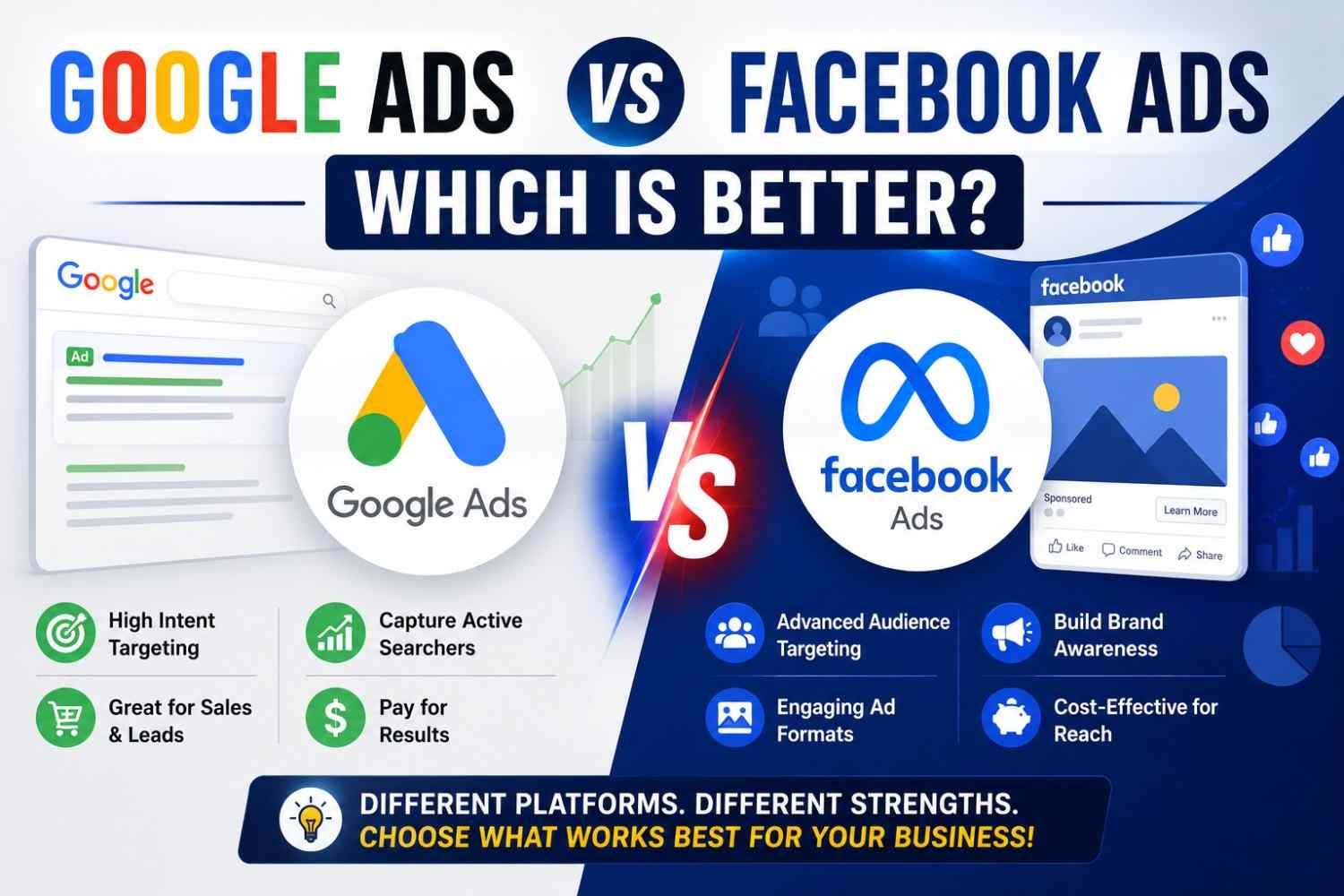
Free posts and paid ads can work in tandem. Paid efforts can help you reach a chosen audience, push key content, bring in leads, push sales, or boost an ongoing campaign.
Still, ads should not be a fix for a shaky plan. Before you spend, set the goal, pick the audience, choose a creative direction, plan the landing step, decide the budget, and choose how you will measure results. DMI separates media choices from the wider social plan. It also suggests matching paid options to the overall direction.
15. Watch the KPIs That Match Your Goa
Pick KPIs that fit what you want to achieve. One metric cannot fit every business. If you run an awareness push, reach, impressions, video views, and brand related signals can matter. If you focus on traffic, clicks and visits to your landing page may be more useful. If you want leads, then qualified leads and conversion rates matter more.
Useful metrics can include:
- Reach.
- Engagement rate.
- Video completion.
- Click-through rate.
- Website traffic.
- Leads.
- Conversion rate.
- Customer response time.
- Revenue attributed to campaigns.
The key is to link metrics to business results, not just show figures because they exist.
16. Track Results and Adjust
A social media analytics plan should not end with charts and counts. The value is in what the numbers suggest. If one clip earns twice the views of another, look for the cause. Did the first seconds hook people? Was the subject a better match? Did the style fit the platform? Did the viewer group shift?
DMI’s approach focuses on watching what happens and then using what you learn. Each campaign works like a tryout. What you see should shape the next round.
17. Try New Content Types
Keep the plan moving. Switch up the hook, the theme, the format, the posting time, the call to action, and the creative look.
For example, take one customer problem and create:
- A short video.
- A carousel.
- A text post.
- A poll.
- A longer educational article.
Then check performance markers that actually matter. When you run these tests over time, you start to see which formats and topics get real traction with people. That turns your social plan into something guided by results, not guesses.
18. Use tactics, but do not mix them up with strategy
You can use posting pace, hashtag sets, giveaways, polls, new sound trends, and partner posts with creators. These are tactics. Still, they do not count as the full plan by themselves. DMI draws a clear line between the two. It says tactics are specific actions. Strategy is the bigger plan they support
For instance, “We will post five times each week” is a tactic. “We will share educational content to grow qualified awareness in a set group and drive more visits to our site” feels more like a strategic goal. Once you see the difference, your work stays on track.
19. Make your strategy able to shift
Social media is not steady. New tools show up. Feeds and ranking rules change. People also change how they act. Fresh content styles keep appearing. So your strategy should guide you, but it should not lock you in. Look at how posts do on a regular basis, then adjust what you do when the data points to it.
A useful approach is:
Plan → Publish → Measure → Learn → Improve.
This turns into a steady feedback loop. It does not treat strategy like a one time task you set and ignore.
20. Build a simple 90 day social media schedule
If you are new, do not try to overhaul everything in a single week. A 90 day plan gives you room to set up a real workflow, watch what happens, and adjust based on results.
In month one, do the groundwork. Look at what is already out there. Set clear goals. Learn your audience. Pick the right platforms. Define your main content themes. In month two, post regularly. Try different formats. Test what gets attention and what falls flat.
In month three, review the numbers. Double down on what works. Drop the weak stuff. Then tighten your goals and your plan. With this setup, the whole strategy process feels easier. You also get enough data to choose the next steps with more confidence.
Common Social Media Strategy Mistakes
A plan can go wrong even if the account is posted on schedule. Some teams pick social sites without checking who is really there. Others chase follower counts and ignore why those numbers matter. Some accounts borrow what rivals do, word for word in spirit. Posts may go out with no clear purpose. Replies to comments get left behind. Content can end up looking the same on every channel. Then no one checks what the data says, so the problems never get fixed.
A second issue is the belief that results will show up fast. Social media can help with awareness, trust, visits, leads, and sales. But the timing depends on the niche, the audience, the offer, the platform, and how well the work is carried out. Posting more is not always the answer. Better focus is often the real fix.
Conclusion
A good social media plan is not about doing everything at once. It is not just about posting nonstop. The goal is to link business targets with what the audience cares about, then match that with the right platform, content, and community actions. Paid work should also fit in. You then track what matters, not vanity metrics. The Digital Marketing Institute framework supports this view. It treats planning, goals, research, content and media strategy, execution, and tracking as parts that work together. Start with a few platforms that fit your audience. Learn who they are. Share content that is useful. Watch the KPIs that reflect real progress. Adjust as you learn. When tactics follow the plan, social media stops being only a feed. It becomes a clear marketing system that supports brand reach, stronger customer ties, and wider business growth.
Frequently Asked Questions
1. What is a social media strategy?
A social media strategy is a long-term plan that defines how a business will use social platforms to achieve specific marketing and business objectives. It includes audience research, content, platforms, tactics, and measurement.
2. What are the main parts of a social media strategy?
The core elements include business goals, audience research, platform selection, content strategy, media planning, community engagement, execution, KPIs, and performance measurement.
3. How often should a business post on social media?
There is no universal posting frequency. The right schedule depends on your audience, platform, resources, content quality, and objectives. Consistency and relevance are generally more useful than simply posting more.
4. Which social media platform is best for business?
The best platform depends on your target audience and business goals. Research where your audience is active and prioritize platforms where you can consistently produce useful, platform-appropriate content.
5. How do you measure social media success?
Measure KPIs that connect to your objectives, such as reach for awareness, clicks for traffic, leads for demand generation, and conversions or revenue for commercial outcomes. DMI recommends aligning objectives and KPIs with wider business goals.







Leave a Reply