
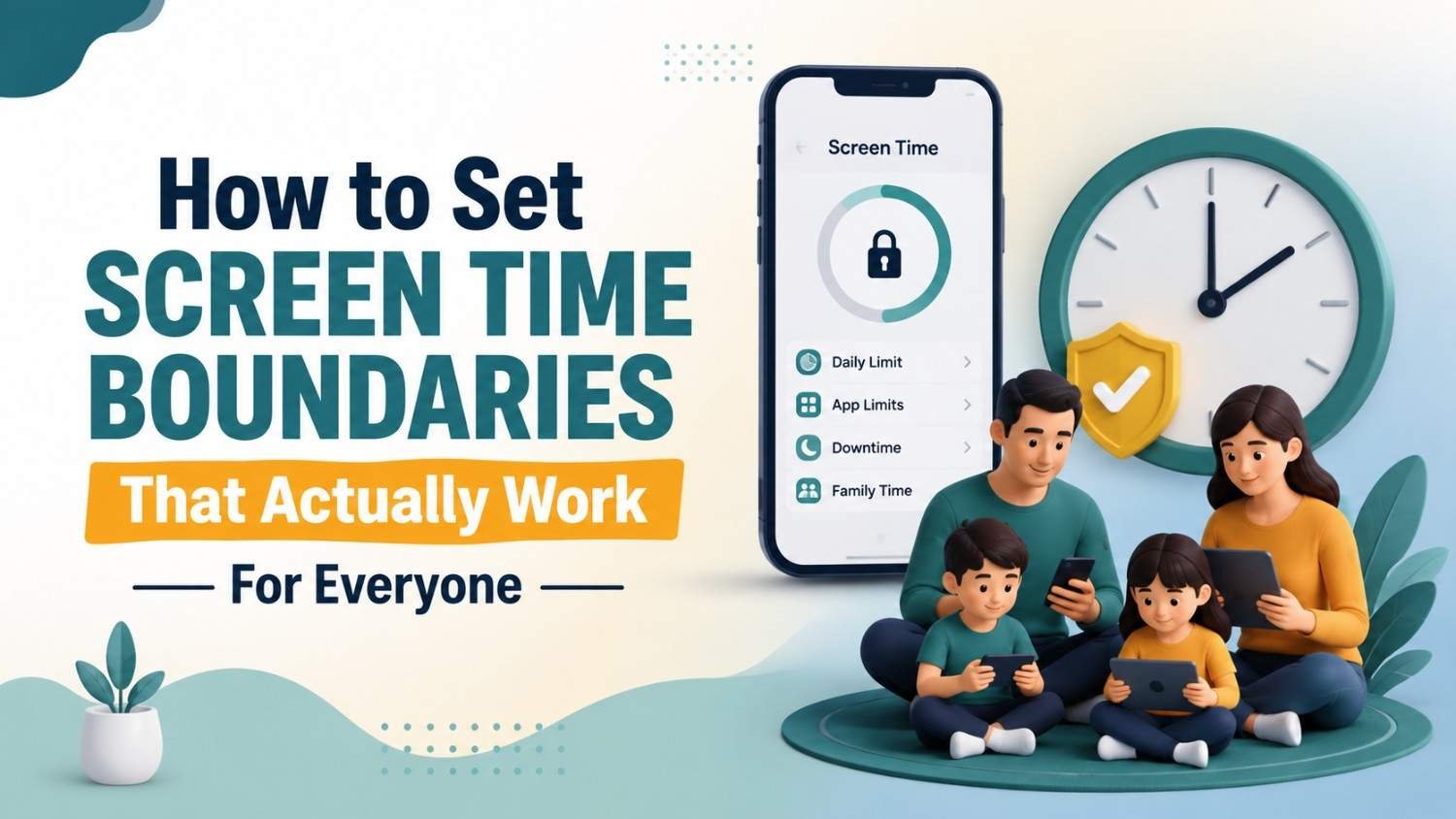
Have you ever grabbed your phone “just to see one notification” and then kinda realized thirty minutes are gone already. Like somehow the time simply vanished. This has become one of the biggest struggles in modern day life. Smartphones, laptops, tablets, and even smart TVs keep us connected the whole day, every moment. Sure, technology makes work easier and keeps you informed, but too much screen time can also bring stress, weaker concentration, interrupted sleep, and yes, reduced productivity. A lot of people can feel the issue, still they have trouble finding a workable fix. The catch is most digital detox advice says to cut technology out completely, which just isn’t realistic for folks who work, study, or communicate online all the time.
The good news is that you don’t have to drop technology entirely to get your time back. A more realistic digital detox is about building better habits, not about removing devices like they are the enemy. When you set practical limits, make deliberate choices, and actually get to know your own screen patterns, you can use tech without it steering your life. This guide will show you how to create screen time boundaries that stick for longer, while boosting focus, supporting mental well being, and improving day to day productivity .
Understanding the Modern Screen Time Challenge
The real challenge isn’t the technology itself— it’s more like how easily technology slips into every little spare moment. You know, waiting in line, eating meals , commuting, or just winding down before bed often turns into scrolling through endless content. That constant digital stimulation leaves almost no space for reflection , creativity, or actual rest. A lot of people think they have no self control, but honestly, the situation is that digital platforms are designed to grab attention and keep it. Things like infinite scrolling, personalized suggestions, and instant notifications push continuous engagement. When you understand that, the guilt kind of falls away, and the focus can move toward building healthier habits instead of blaming yourself.
Why Most Digital Detox Plans Fail
The Problem with Extreme Rules
A lot of digital detox plans suggest that people should disconnect completely for days, or even weeks. On paper this sounds kind of relaxing, but it often doesn’t work out because it ignores how things really are in everyday life. Most professionals rely on emails , messaging apps , online collaboration tools and yes, smartphones just to get through the day. So when someone sets super strict and unrealistic limits, they usually feel deprived. Then, sooner or later, they slip back into their usual routine and sometimes even end up using tech more than before. That whole loop brings frustration, and it basically confirms the idea that digital detox just doesn’t work. Instead of treating technology like some kind of enemy, try seeing it more as a practical instrument. Like healthy eating doesn’t mean you have to ban every food you like, digital wellness doesn’t require ditching every device. The win is balance not perfection.
Building Habits Instead of Restrictions
The most effective approach sort of is swapping unhealthy habits for healthier routines. Small daily improvements are way easier to keep than some dramatic lifestyle changes that feel huge. Like for instance, instead of banning your phone after work forever, start with making a one-hour screen free period right before bedtime. Also, try replacing the social media scrolling with something else such as reading , stretching , or even talking with family members. These smaller adjustments slowly turn into automatic habits, and they end up needing less effort over time. In the end, consistency always wins over intensity when you want lasting behavioral change.
Signs That Your Screen Time Is Becoming Unhealthy
Spotting unhealthy digital habits is the first step toward making real progress, even if it feels a bit slow at first. A lot of people do not really notice how screen time messes with their everyday life until they start looking closely at it. You might be dealing with a few common red flags, for example checking your phone again and again, with no real reason, or finding it hard to stay on track with what actually matters. Some people also feel anxious when they are away from the device, and then there are the more physical things, like headaches, eye strain, or even staying up far too late because of endless scrolling. Another warning sign is when face-to-face conversations get pushed aside, just so online interactions can come in. Then there is the mental side too, like feeling mentally drained even though most of the day is spent sitting there. When the brain gets continuous digital input, it keeps churning on fresh information, but without getting enough chances to reset. These signals do not automatically mean technology is bad, they only suggest that clearer limits might help, and honestly, that boundary part is usually what makes the difference.
Benefits of a Realistic Screen Time Management Strategy
Better Mental Health
Cutting down on unnecessary screen exposure often results in a noticeable drop in stress, and it also supports a more steady emotional rhythm. When you spend less time comparing yourself against carefully curated online content it can help self-confidence grow, while those anxiety feelings usually ease up. Also, taking deliberate breaks gives your brain room to sort things out on its own, rather than constantly bouncing back to every new notification or update.
Better Productivity
A major upside of managing screen time well is stronger concentration. Each notification kind of yanks you out of your focus, so meaningful work becomes harder to finish efficiently. When distractions are limited, your mind can linger longer in deep work and not spend so much time toggling between different tasks. Even slight gains in attention can raise your everyday productivity quite a bit.
Better Sleep Quality
Digital devices give off a blue light that can get in the way of your natural sleep cycles, sort of like it confuses the timing. If you use screens right before sleep, it can often push your sleep schedule later and make the sleep less restful , too. Building a bedtime routine with no tech, no screens, no notifications really helps your body understand, when it’s time to wind down. When you sleep better, you may notice improved memory, more usable energy, better mood, and overall health staying steadier.
How to Set Screen Time Boundaries That Actually Work
Track Your Current Usage
Before making changes , understand your existing habits. Most smartphones will provide pretty detailed reports showing how much time you spend using different apps. Take a moment and look at that info honestly. You might notice that social media, video streaming, or gaming take up way more hours than you thought . That kind of awareness can open up real chances for improvement.
Create Device-Free Zones
One straightforward yet highly effective approach is to set certain locations as tech-free areas , or in other words, make “quiet corners” where screens aren’t welcomed.
Examples include:
- The dining table
- The bedroom
- Family gatherings
- Meetings
- Outdoor walks
These spaces encourage meaningful conversations and reduce automatic phone checking.
Schedule Screen-Free Hours
Instead of reducing screen time in a random way, assign specific windows each day for offline activities. A lot of people seem to do better when they avoid screens during that first hour after waking up, also in the last hour before sleeping. These limits help form more balanced day to day routines, while still feeling realistic enough to actually keep up with.
Turn Off Unnecessary Notifications
Notifications keep clawing at your focus. Every buzz or pop up alert trains you to stop whatever is happening in the moment. Turn off notifications for apps that are not essential, and leave alerts only for real important communication. With fewer interruptions, it gets easier to concentrate better and stress levels tend to drop.
Daily Habits That Make Digital Wellness Sustainable
To build sustainable digital wellness you can’t just “cut back screen time” or yank technology away. It works better to swap it with something genuinely enjoyable, like more active habits, but also little calmer ones. Reading books, exercising, cooking, gardening, journaling, learning new skills, or simply spending time outdoors, can offer that same mental shift, but in a healthier way. Even short daily walks without your phone, can help your attention reset and it might even boost creativity a bit. It also helps to set up intentional technology use. Before you open an app, pause and ask yourself why you’re using it in the first place. If there isn’t a clear reason, you might just be going through the motions, out of habit. Using mindfulness while you’re on your devices helps you make steadier choices and it tends to reduce that impulsive scrolling feeling.
Best Apps That Support Healthy Technology Habits
Ironically, technology itself can help reduce unhealthy technology use. Many apps now include features that encourage balanced digital behavior.
| App | Primary Purpose | Best Feature |
| Apple Screen Time | Usage tracking | Daily reports and limits |
| Google Digital Wellbeing | Android management | Focus Mode |
| Forest | Focus improvement | Gamified productivity |
| Freedom | Website blocking | Cross-device blocking |
| StayFocusd | Browser control | Website time limits |
These tools work best when combined with personal discipline rather than relying entirely on automatic restrictions.
Common Mistakes That Prevent Successful Digital Wellness
A lot of folks accidentally self sabotage their progress by asking for instant perfection. Missing one day, like at all, doesn’t really wipe out weeks of good habits. Another common thing is swapping one digital pull for a different one. Like going from social media to endless news scrolling, it usually doesn’t fix the real underlying issue, it just changes the wrapper, you know. Some people also kind of forget to bring family members or coworkers into it. When expectations are shared, boundaries feel way easier to hold, especially during meals, meetings, or those family activities. And please don’t only think about reducing screen time. Try aiming for more satisfying offline moments, because that naturally reduces the habit of reaching for your device.
Creating a long term routine that actually lasts
A real digital detox isn’t judged by how little technology you touch, it is judged by how deliberately you choose to use it. Every few weeks, take a quick look at your screen patterns and tweak your limits as life changes. Sometimes you’ll need more online activity because of work or education. Then other times, like holidays, give you room for longer breaks without the same pressure. Also, don’t celebrate only big leaps. Notice the small wins instead of chasing some perfect outcome. Cutting out unnecessary screen time by even one hour a day adds up, over months and years it becomes a real difference. The best digital routines should back your goals instead of turning into more stress. In the end, balance, adaptability, and steady practice are the strongest ground to stand on for lasting success.
Conclusion
Technology is a core part of modern life, yet it should support your ambitions not hijack your attention. A realistic digital detox is more about building steady habits, than doing some overly strict thing that you can’t keep up. If you pay attention to how much screen time you actually use, set reasonable limits, cut the usual distractions ,and swap pointless scrolling for small meaningful tasks, you tend to feel better mentally, work smoother, and keep your relationships calmer. In the long run, tiny daily changes add up, so digital wellness becomes a doable lifestyle not a short term struggle.
Frequently Asked Questions
1. What is a realistic digital detox?
A realistic digital detox means reducing unnecessary screen time while still using technology for work, education, and communication. It focuses on healthy balance instead of complete disconnection.
2. How many hours of screen time are considered healthy?
There is no universal number because work requirements differ. The goal is limiting unnecessary recreational screen use while maintaining healthy sleep, productivity, and relationships.
3. Can a digital detox improve mental health?
Yes. Reducing excessive screen exposure can lower stress, improve concentration, reduce anxiety from constant notifications, and encourage healthier daily habits.
4. What is the easiest way to reduce screen time?
Start by tracking your usage, turning off unnecessary notifications, creating device-free zones, and avoiding screens during the first and last hour of your day.
5. How long does it take to build healthier screen habits?
Most people begin noticing improvements within a few weeks of consistent practice. Long-term success comes from gradual, sustainable changes rather than extreme restrictions.








Leave a Reply